
Textiles as signs of Barthes’ bliss concept within Nietzsche’s Second Piece of the Unfashionable Observations
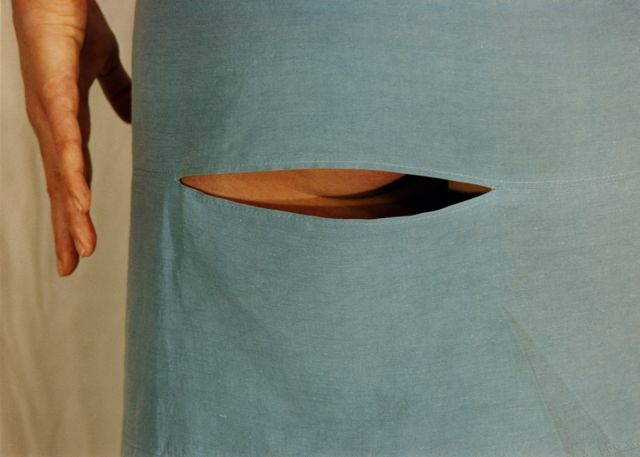

“[…] to think of all things as interrelated, to weave events into a totality […].“ (Nietzsche)
The etymological and terminological interconnectedness between the terms “textile”, “texture” and “text” are obvious and have been sufficiently discussed. However, research into vestimentary intertextuality as a specific form of an intermedial relationship between dress and language so far has mostly failed to free itself from the constraints of either the materiality of fabric on the one hand or the textual metaphors of language on the other. But in Nietzsche’s “On the Utility and Liability of History for Life“, the rhetorical connection established between the image of the modern educated bourgeois classes and the use of textile and vestimentary metaphors allows for a more integrated perspective on the subject. Such a perspective will reveal the performative materiality of fabric and dress both within the text as rhetorical proposition, and as a contribution to the creation of meaning in relation to the textile object itself. Barthes’ concept of bliss can be recognized in the significance of fabric and dress, as Nietzsche’s use of the verbs to spin, to disguise and to dress up reveals.
The presentation will attempt to show the metaphoric usage of fabric and dress in Nietzsche’s text and, by so doing, demonstrate their rhetorical function within the text. This function, it appears, lies mostly in exposing the texture itself, in pointing towards what lies in between, and can only be recognized through a blissful relationship with the text.
„Is not the most erotic portion of a body where the garment gapes?“ (Barthes)

Fashion in Fiction, 26. bis 27. Mai 2007, University of Technology, Sydney.